Fact Check
Iran’s Strait of Hormuz attacks: Fact-checking the Fox News report
What the video says
In an April 22, 2026 segment of “The Faulkner Focus,” anchor Harris Faulkner and chief national security correspondent Jennifer Griffin reported that Iran’s Islamic Revolutionary Guard Corps (IRGC) fired on three commercial vessels in or near the Strait of Hormuz overnight, seizing two of them. The segment said the attacks came hours after President Donald Trump announced he was extending a ceasefire with Iran while keeping a US naval blockade of Iranian ports in place.
Fox guests, including retired Lieutenant General Keith Kellogg and former Marine Colonel Mike Jernigan, framed the attacks as evidence that Iran is “running out the clock” while negotiating in bad faith. The program also cited a new analysis claiming the United States has burned through nearly half of its high-end missile interceptors and precision-strike weapons during the seven-week air and missile campaign known as Operation Epic Fury, and reported that Treasury Secretary Scott Bessent had announced fresh sanctions on 14 entities accused of helping Iran rebuild its weapons stockpiles.
Checking the claims
Claim 1: Iran fired on three commercial ships in or near the Strait of Hormuz overnight, seizing two of them.
Verdict: TRUE
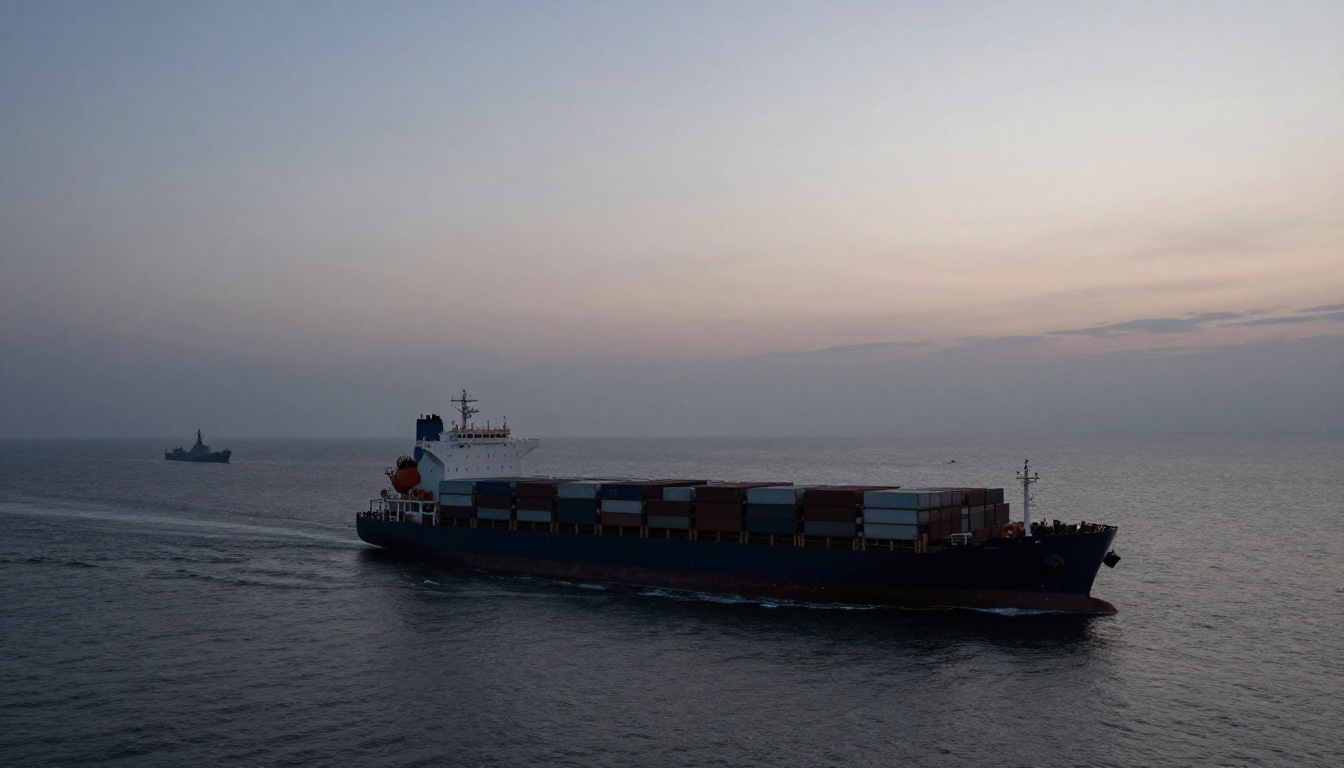
Independent reporting confirms the basic outline of the attacks. According to a Wikipedia summary of the 2026 Strait of Hormuz crisis drawing on news agency reports, an Iranian gunboat opened fire on the Liberian-flagged, Greek-owned container ship Epaminondas off the coast of Oman with gunfire and rocket-propelled grenades, causing significant damage to the bridge. The Panama-flagged MSC Francesca, owned by Geneva-based Mediterranean Shipping Company, was also targeted and ordered to drop anchor, sustaining damage to its hull and accommodation. A third Panama-flagged ship, the Euphoria, was approached but reportedly sustained no damage. The IRGC seized the Epaminondas and the MSC Francesca and escorted both into Iranian waters.
Al Jazeera and PBS NewsHour carry the same chronology, and both note Wednesday’s incidents pushed Brent crude near $100 a barrel. Fox’s transcript-rendered “EPA minandis” is the Epaminondas; the rest of the names and ownership details match the public record.
Sources: - Iran captures two vessels in Strait of Hormuz after ship comes under fire — Al Jazeera - Iran fires on 3 ships in the Strait of Hormuz — PBS NewsHour - 2026 Strait of Hormuz crisis — Wikipedia overview
Claim 2: President Trump gave Iran “three to five more days” to come to the table, and the White House said the ceasefire extension is “limited, not indefinite.”
Verdict: PARTIALLY TRUE
Trump did extend the ceasefire on April 21, but his own public statement was open-ended, not bounded by a specific deadline. As reported by The Washington Post and Al Jazeera, Trump wrote on Truth Social that he had directed the military to “continue the blockade” and would “extend the ceasefire until their proposal is submitted and discussions are concluded one way or the other.” That language tracks the quote Faulkner read on air.
The “three to five days” figure does not appear in Trump’s own post. It was attributed to anonymous US officials in subsequent reporting, including a CNN explainer published April 22. Time magazine and the Washington Post both characterized Trump’s public extension as indefinite, though White House aides told reporters the patience was finite. So the segment is right that the White House privately framed the window as short, but viewers should know Trump himself did not announce a 3-to-5-day clock.
Sources: - Trump announces indefinite extension of ceasefire as Iran stalls negotiations — Washington Post - Trump announces extending Iran ceasefire but says blockade remains — Al Jazeera - Why President Trump extended his ceasefire with Iran — CNN
Claim 3: A new Center for Strategic and International Studies analysis says the US has used 45% of its precision-strike missile inventory and half of its THAAD and Patriot interceptors during the seven-week war.
Verdict: TRUE
The Center for Strategic and International Studies (CSIS) published Last Rounds? Status of Key Munitions at the Iran War Ceasefire, and its top-line numbers line up with the segment. CSIS estimates the United States expended close to 50% of its Patriot interceptor stockpile, more than half of its Terminal High Altitude Area Defense (THAAD) interceptors, and over 45% of its Precision Strike Missile (PrSM) inventory during the air and missile campaign against Iran.
Independent reporting from Fox News itself, The Hill, and CNN confirms those figures and adds context the segment skipped: CSIS estimates rebuilding the depleted stockpiles to pre-war levels will take one to four years, raising concerns about US readiness for a potential conflict in the Western Pacific.
Sources: - Last Rounds? Status of Key Munitions at the Iran War Ceasefire — CSIS - US military used up nearly half of Patriot missiles during Iran war — The Hill - US at risk of running out of missiles if another war breaks out — CNN
Claim 4: Treasury Secretary Scott Bessent announced sanctions on 14 entities for helping Iran obtain weapons.
Verdict: TRUE
The Treasury Department’s Office of Foreign Assets Control (OFAC) announced on April 21 that it had designated 14 individuals, entities, and aircraft based in Iran, Turkey, and the United Arab Emirates for procuring or transporting weapons or weapons components for the Iranian regime. The action was framed as part of “Economic Fury,” the financial-pressure track that complements the military side of Operation Epic Fury.
The Bessent quote read on air — that the regime “must be held accountable for its extortion of global energy markets and indiscriminate targeting of civilians with missiles and drones” — appears verbatim in the official Treasury press release and was carried by The Times of Israel and other outlets covering the announcement.
Sources: - Economic Fury Targets Iranian Missile and UAV Procurement Networks — US Treasury - US imposes new sanctions against suppliers of weapons to Iran — Times of Israel
Claim 5: Military planners from more than 30 countries are meeting in London for two days starting April 22 to discuss next steps.
Verdict: TRUE
The United Kingdom’s Ministry of Defence confirmed it was hosting two days of military planning talks on a multinational maritime mission to safeguard the Strait of Hormuz, beginning Wednesday, April 22 at the Permanent Joint Headquarters in northwest London. Reuters, via Iran International, reported planners from “more than 30 countries” attended, building on a wider diplomatic gathering in Paris the prior week that involved roughly 50 nations.
UK Defence Secretary John Healey said the goal was to “translate diplomatic consensus into a joint plan to safeguard freedom of navigation and support a lasting ceasefire.” More than a dozen countries reportedly committed in principle to a Britain- and France-led patrol mission once conditions on the water permit. The Fox segment’s framing of the talks is accurate, though it did not mention that the mission would launch only after a peace agreement.
Sources: - UK to host military talks on plan to reopen Strait of Hormuz — Reuters via Iran International - Military planners to discuss Hormuz reopening in London — Reuters via Investing.com
Bottom line
The hard facts in this Fox News segment hold up. Iran did fire on three commercial ships in the Strait of Hormuz on April 22, 2026, and seized two of them; CSIS did publish the missile-depletion figures cited on air; Treasury did sanction 14 weapons-procurement targets; and London is in fact hosting multinational military talks on reopening the strait.
The one place the report leans on framing more than evidence is the “three to five days” deadline. Trump’s own public statement extended the ceasefire indefinitely and tied it to Iran submitting a unified proposal, with no calendar attached. The shorter window came from anonymous administration officials, not from the president himself, and viewers tracking this story should treat it as guidance from the White House rather than a formal ultimatum. With three US carrier strike groups now in the region and the IRGC continuing to harass shipping, the operational risk is real either way — but the formal diplomatic clock is less tight than the segment implied.